
What a cholesterol & lipid test actually measures
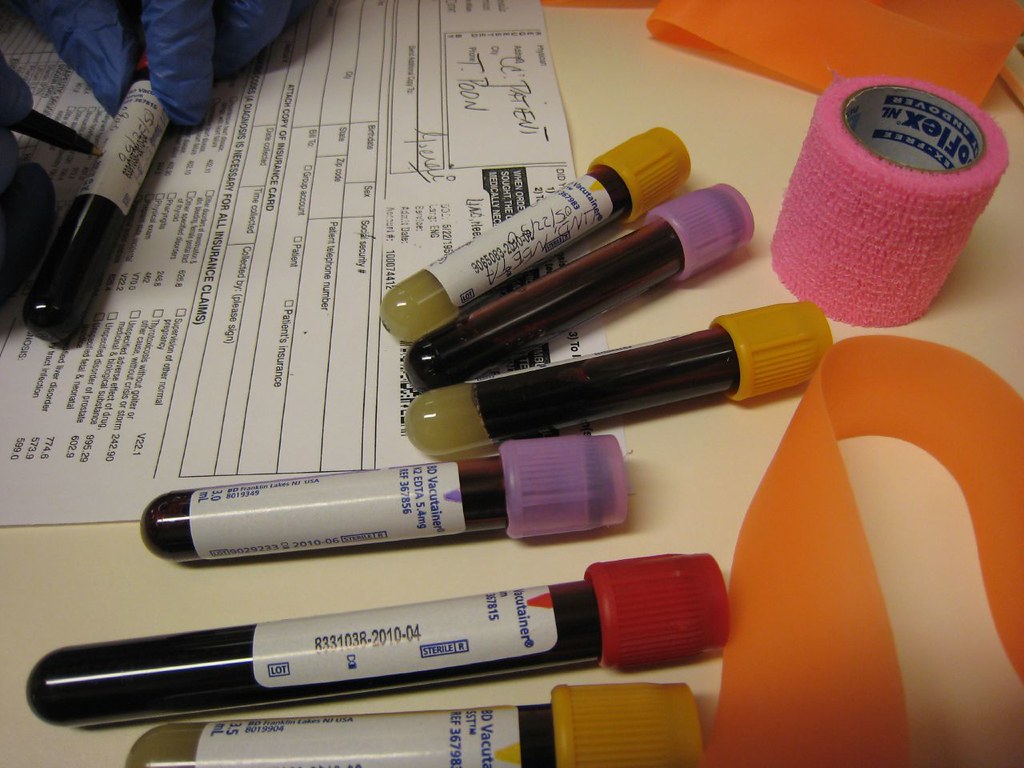
If you have ever glanced at a cholesterol result and seen a short list of numbers, you are looking at a lipid panel. It is one of the most common blood tests in preventive health, and it describes the fats circulating in your blood.
What a lipid panel is
A standard cholesterol and lipid panel is a single blood test that reports several related values at once. Rather than one figure, it gives you a small picture of how different fats are distributed in your bloodstream. The Cholesterol & Lipid Test from Medical Screen Pro reports the same core markers that a clinic panel does, processed by a lab.
The four values you will almost always see are LDL cholesterol, HDL cholesterol, total cholesterol, and triglycerides. Each describes something a little different. Cholesterol itself is a waxy substance the body genuinely needs for building cells and producing certain hormones, so the goal of a panel is not to eliminate it but to understand how it is balanced.
LDL cholesterol
LDL stands for low-density lipoprotein. It is often called the "bad" cholesterol because, in general education terms, higher LDL levels are associated with fatty buildup in artery walls over time. LDL is a carrier that moves cholesterol through the blood, and it is one of the numbers clinicians tend to focus on.
It helps to remember that "bad" is shorthand. LDL is a normal and necessary particle. What a clinician pays attention to is the level relative to your overall picture, not the presence of LDL itself.

HDL cholesterol
HDL stands for high-density lipoprotein and is often described as the "good" cholesterol. It helps carry cholesterol away from tissues and back toward the liver. Because of that role, many guidelines consider a higher HDL to be generally favorable, though the exact framing varies and ranges differ between sources.
Total cholesterol and triglycerides
- Total cholesterol is a combined figure that reflects your overall cholesterol, including the LDL and HDL portions. On its own it is a broad summary rather than a full story.
- Triglycerides are a type of fat the body uses for energy. They are reported separately because they behave differently from cholesterol and can be influenced by recent meals, alcohol, and other factors.
Why the pattern matters
Because these markers relate to one another, clinicians usually look at how they line up rather than reading any one in isolation. Two people can share the same total cholesterol while having very different LDL and HDL splits. That is why a full panel is more informative than a single reading, and why the numbers are meant to be interpreted by a qualified healthcare provider who knows your history.
Reference ranges also vary between sources and can depend on age, sex, and other personal factors. A value that looks a certain way on its own may mean something different once your provider considers the rest of your health. Treat the panel as a set of related clues rather than a single verdict.
Where an at-home test fits
An at-home lipid panel gives you the same four core markers without a trip to a clinic. You collect a small sample, mail it to the lab, and view LDL, HDL, total cholesterol, and triglycerides in a clear online report. It is a convenient way to see your numbers and start a conversation, and it works best as one input into your broader picture of health rather than the last word on it.
The bottom line
A cholesterol and lipid test gives you four related numbers that describe the fats in your blood: LDL, HDL, total cholesterol, and triglycerides. Understanding what each one represents makes your results far easier to read. This kind of at-home screening is an educational starting point, not a diagnosis, so bring your results to a healthcare provider for interpretation and next steps.
Check your cholesterol from home
The Cholesterol & Lipid Test measures LDL, HDL, total cholesterol and triglycerides — with clear, lab-processed results.
Shop the Cholesterol & Lipid Test — $59.99